















Contributed by Russ Muller Photography
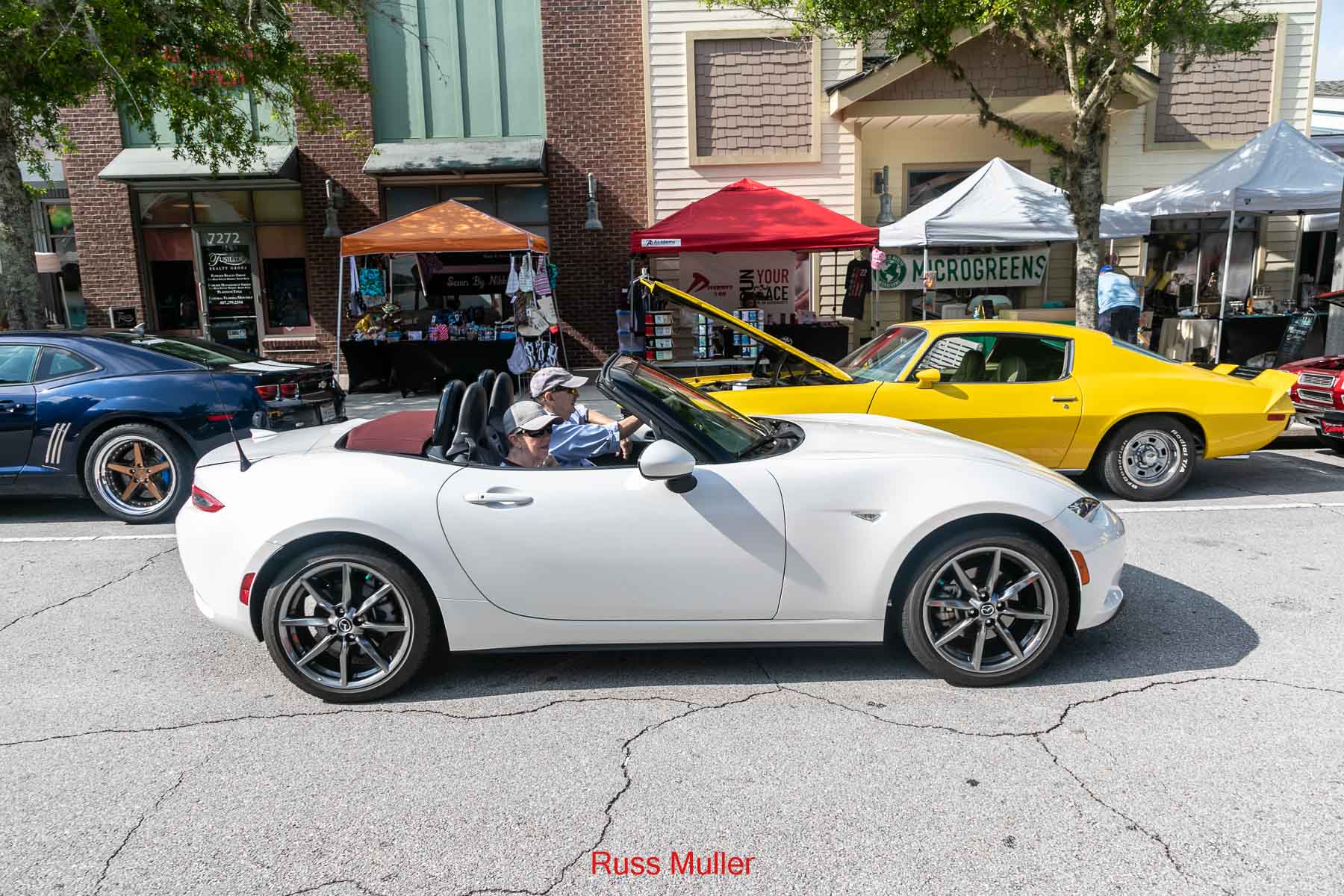
So, there I was, sitting in stopped traffic on I-4 with nothing to do besides look around. Silver Kia, white Hyundai, black Silverado, grey Nissan. The sea of vehicles was pretty bland looking. A few minutes later, a Soul Red Mazda passed me, and I couldn’t help but notice how much that color stood out from all of the other vehicles around me. I asked myself, for the millionth time, what happened to all of the other colors that we used to see on cars and trucks?
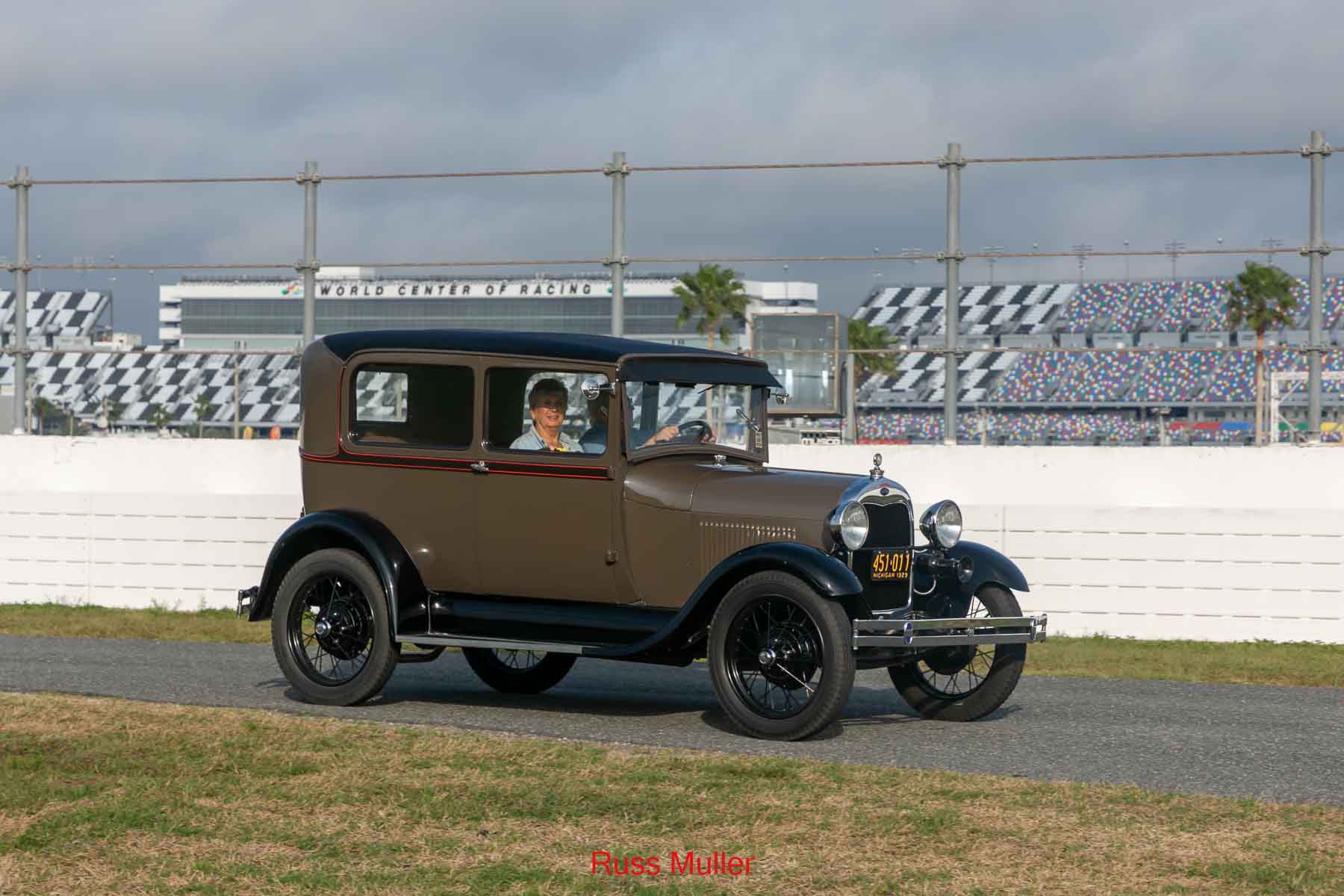
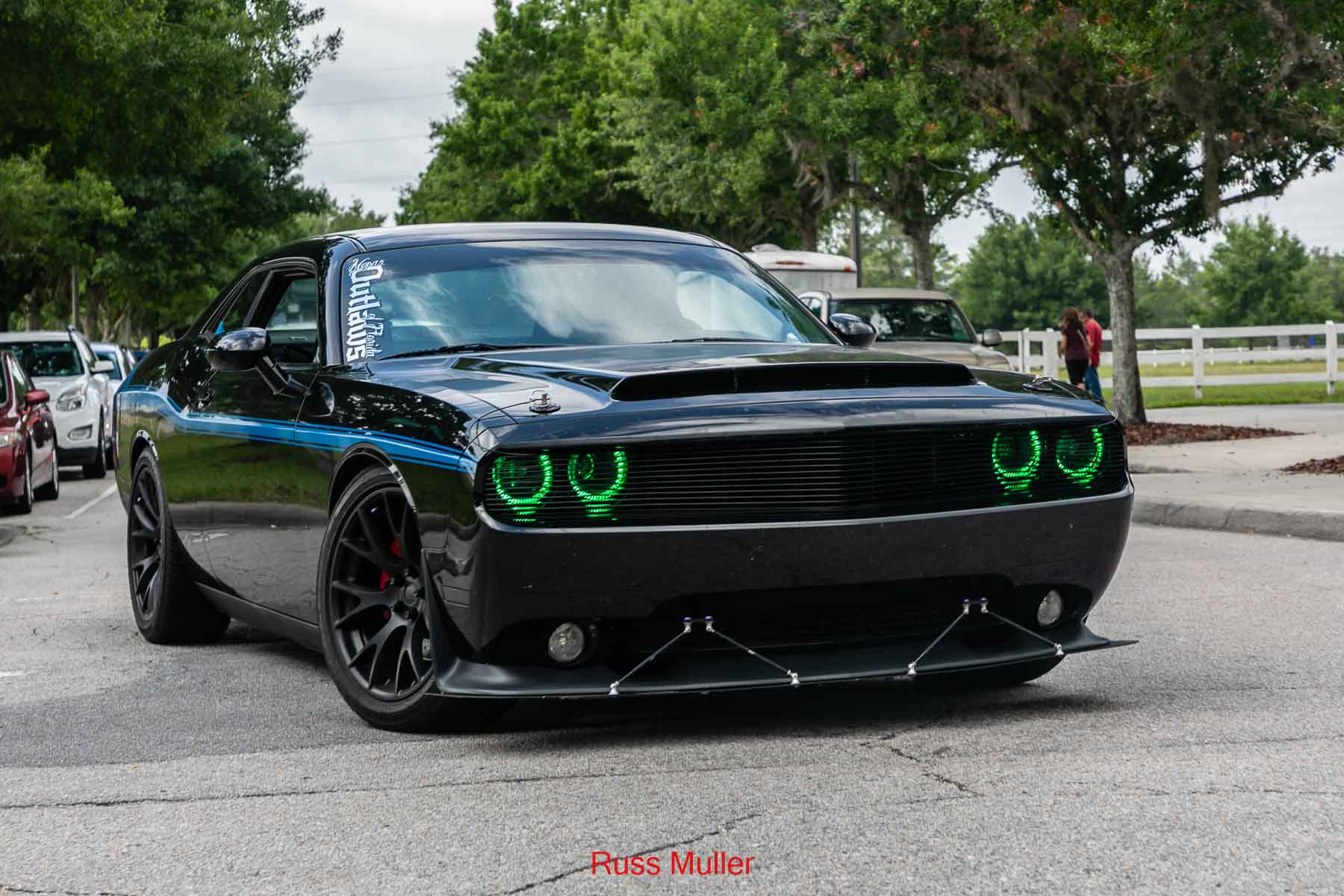 Henry Ford is quoted (slightly out of context) about the Model T as saying “any customer can have a car painted any color they want so long as it’s black.” The truth is, the Model T were available in other colors, but they made far more black cars because the black paint of the day was more durable and dried faster than other colors. That helped to improve the efficiency of the production line, thus reducing costs.
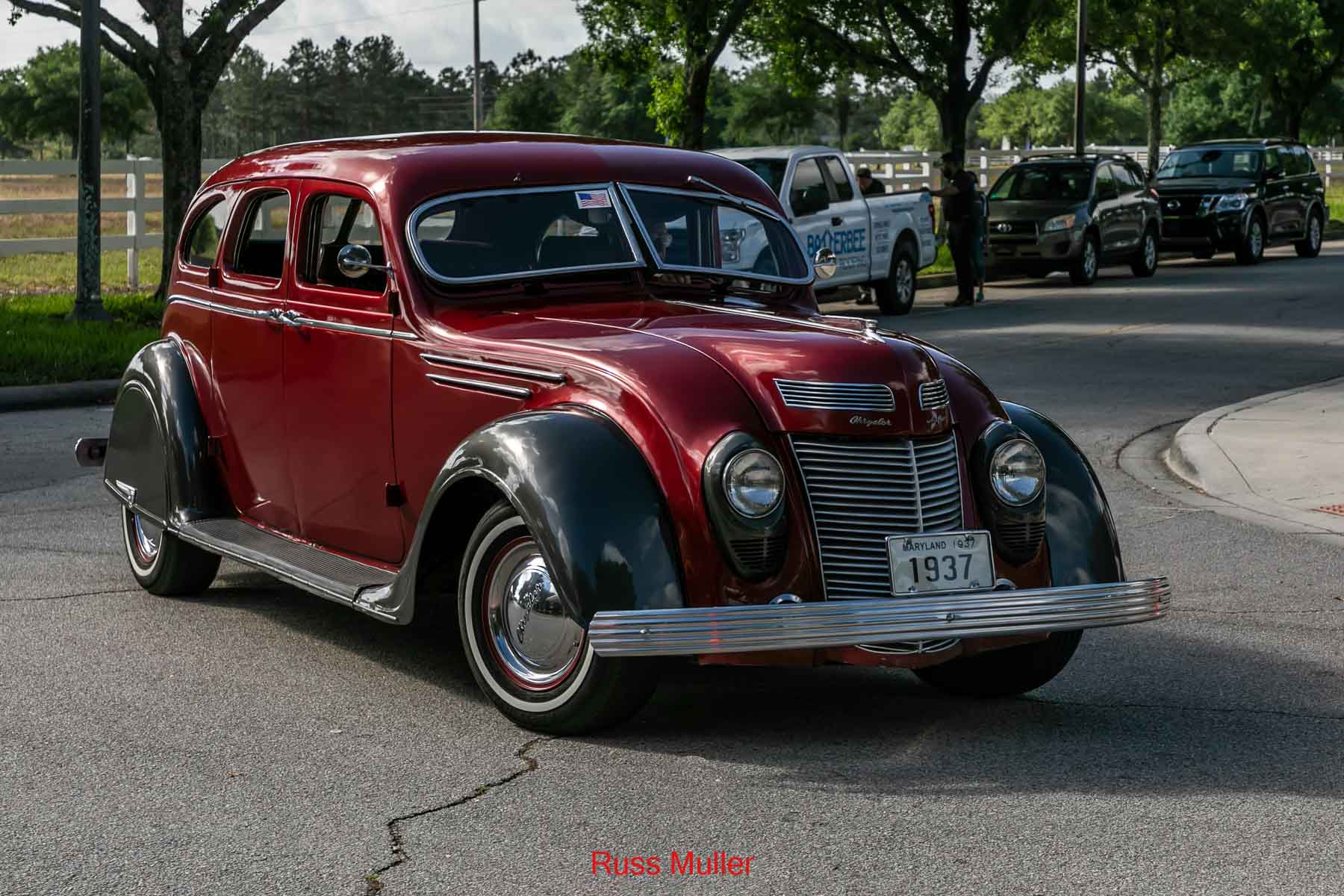
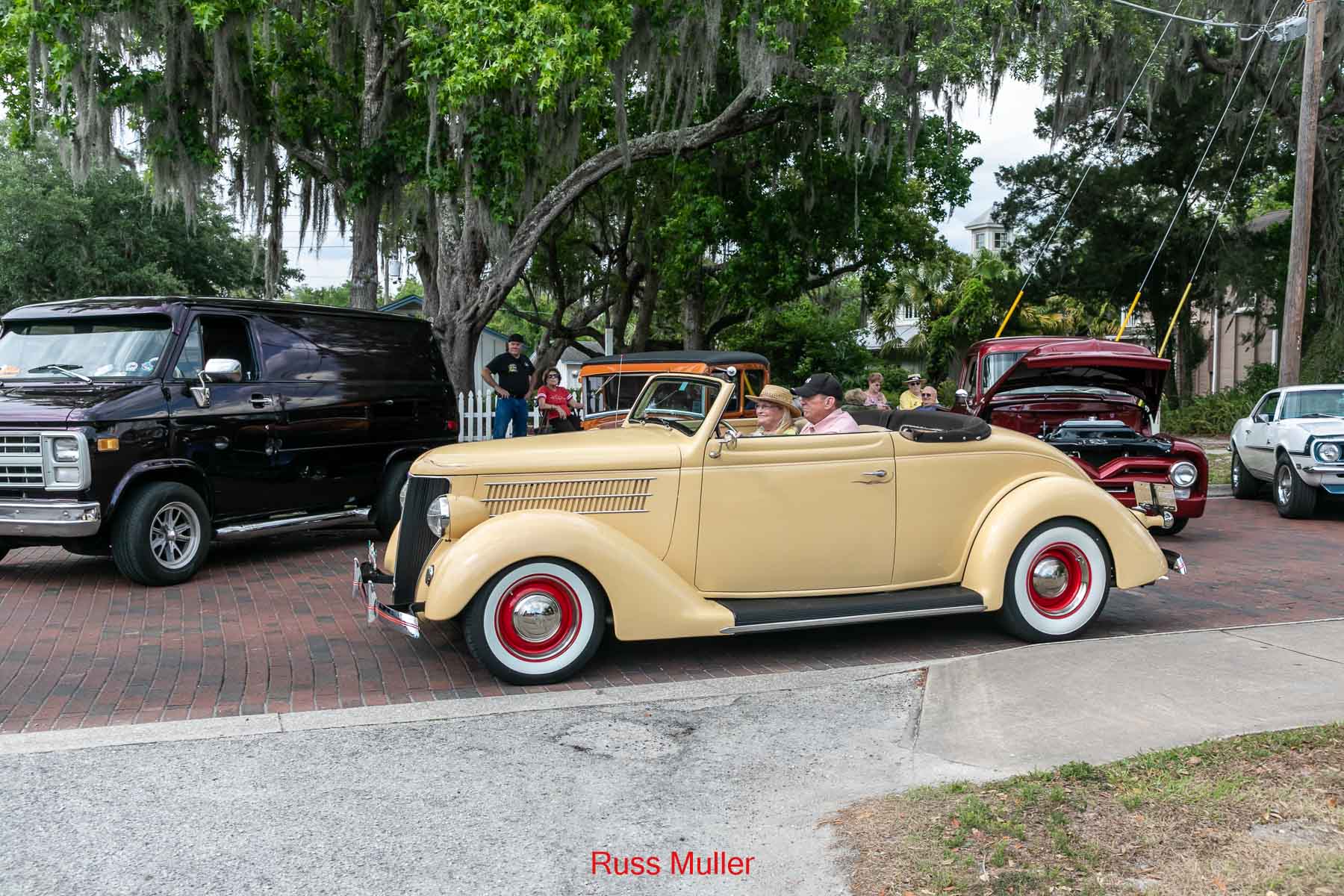
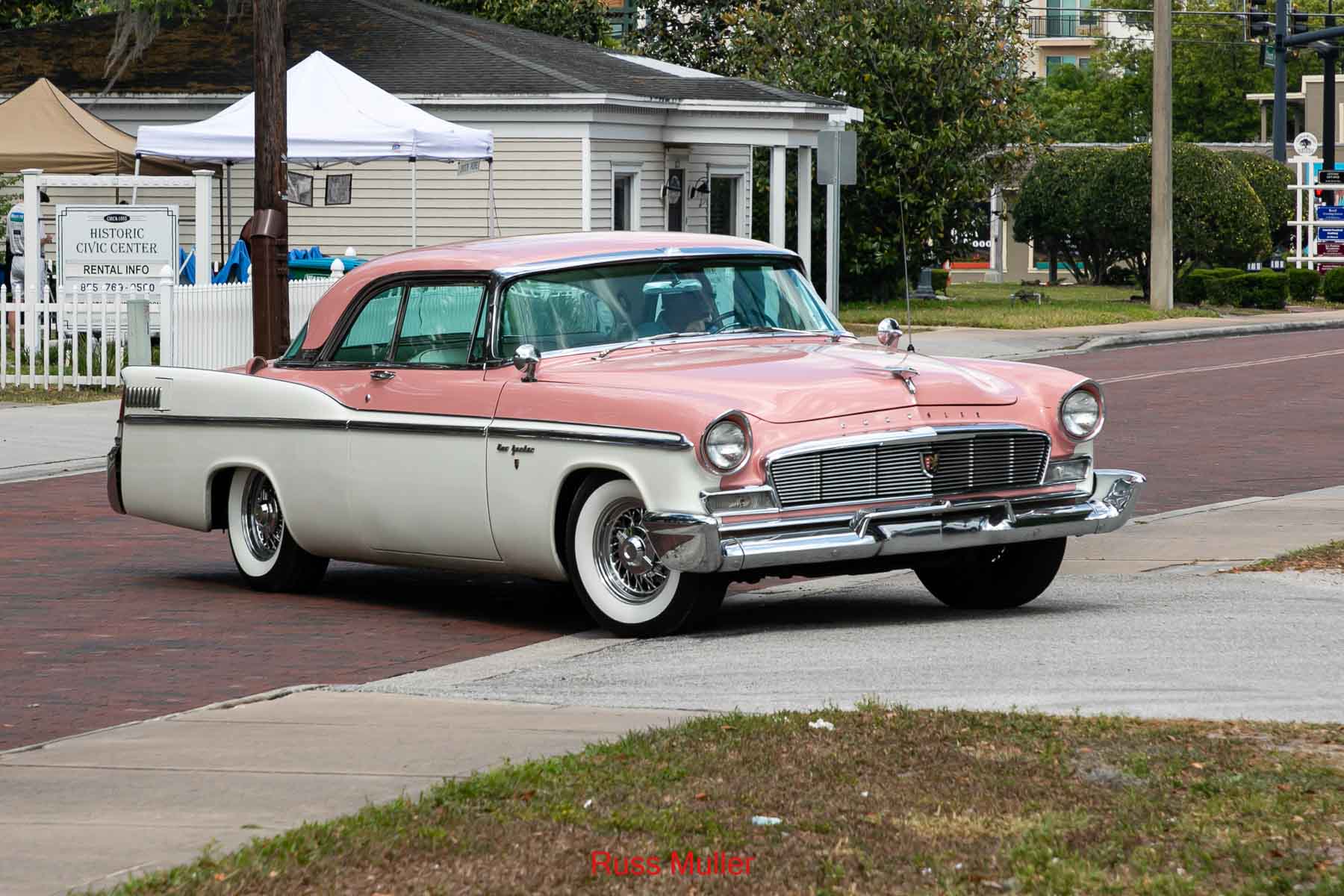
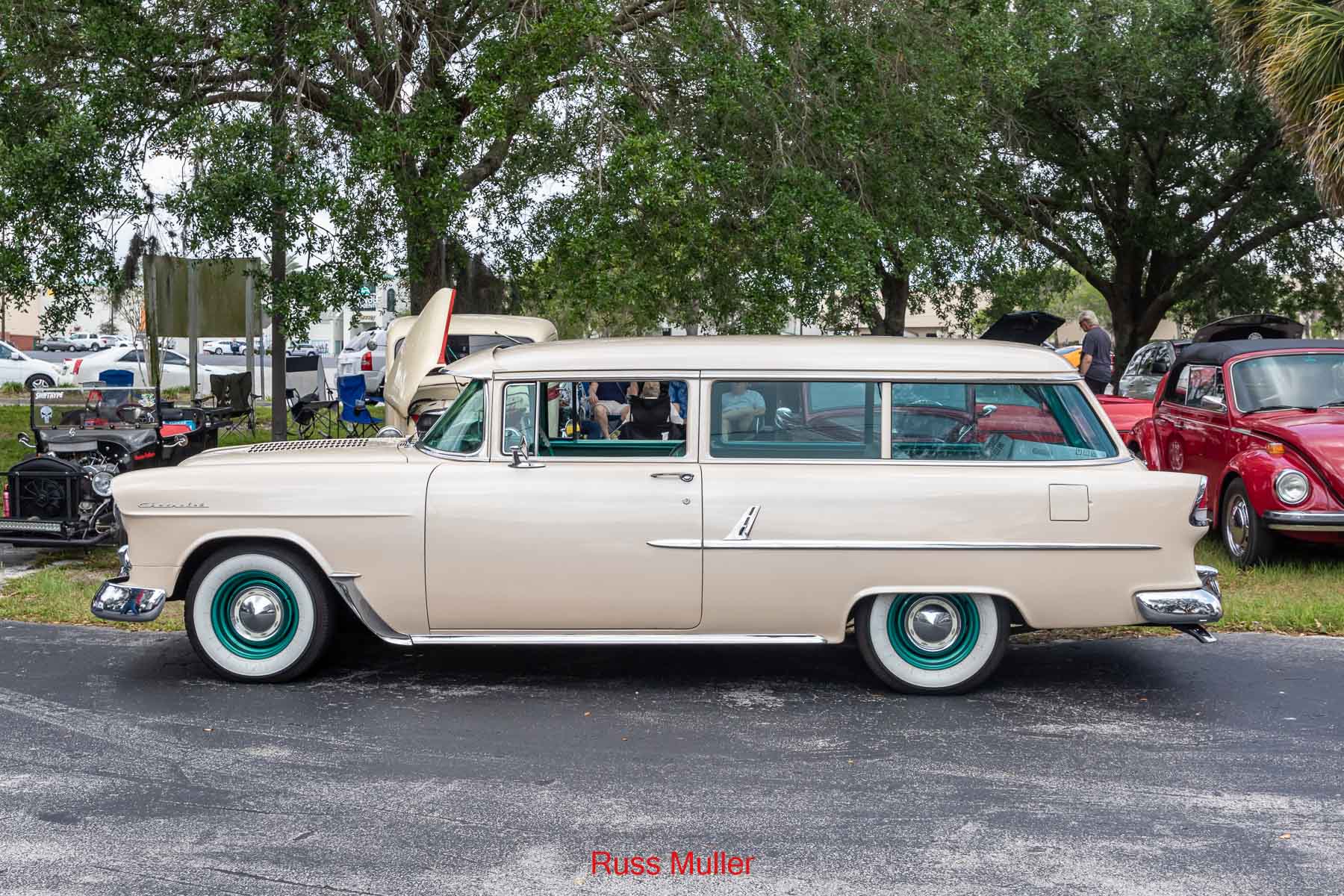
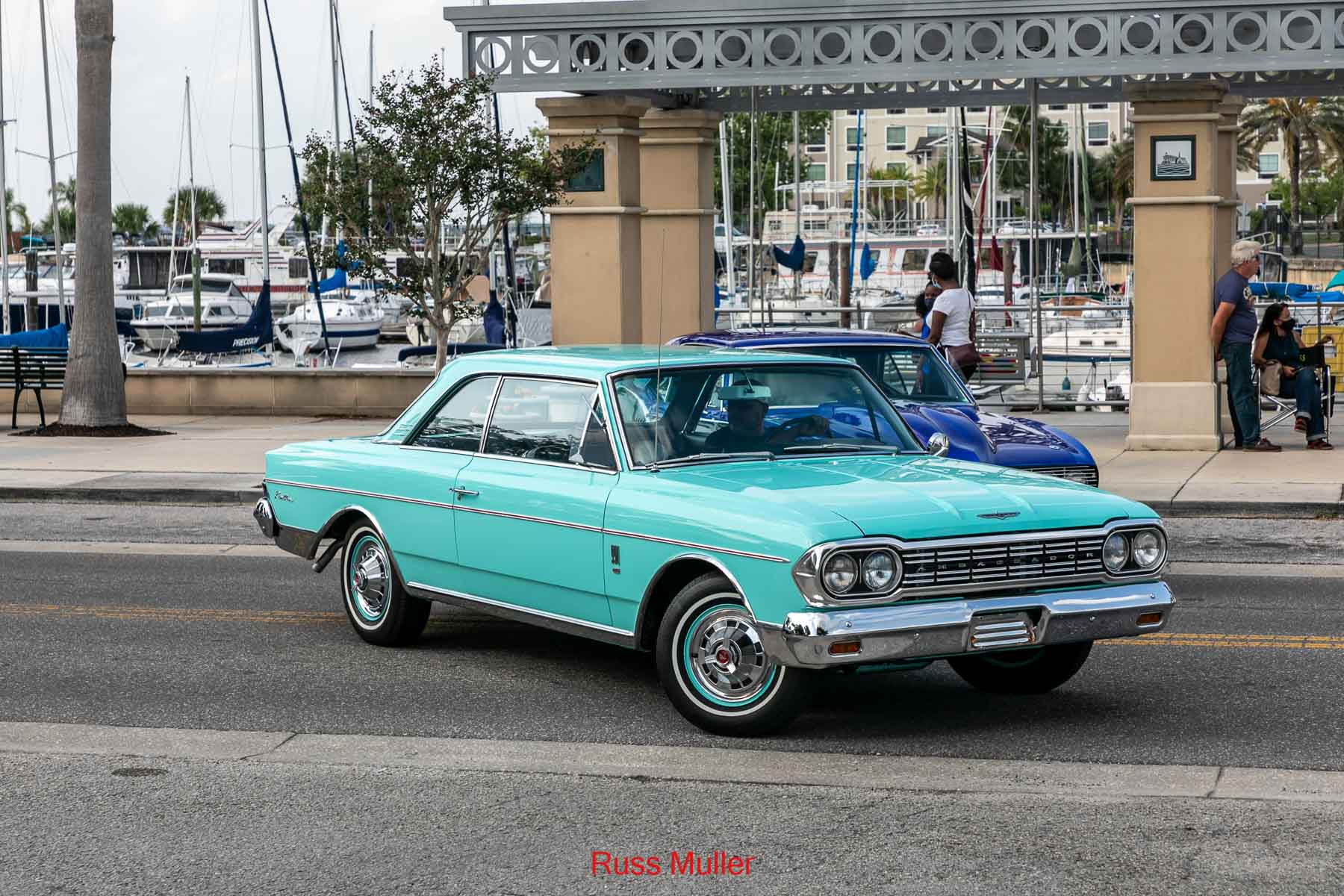
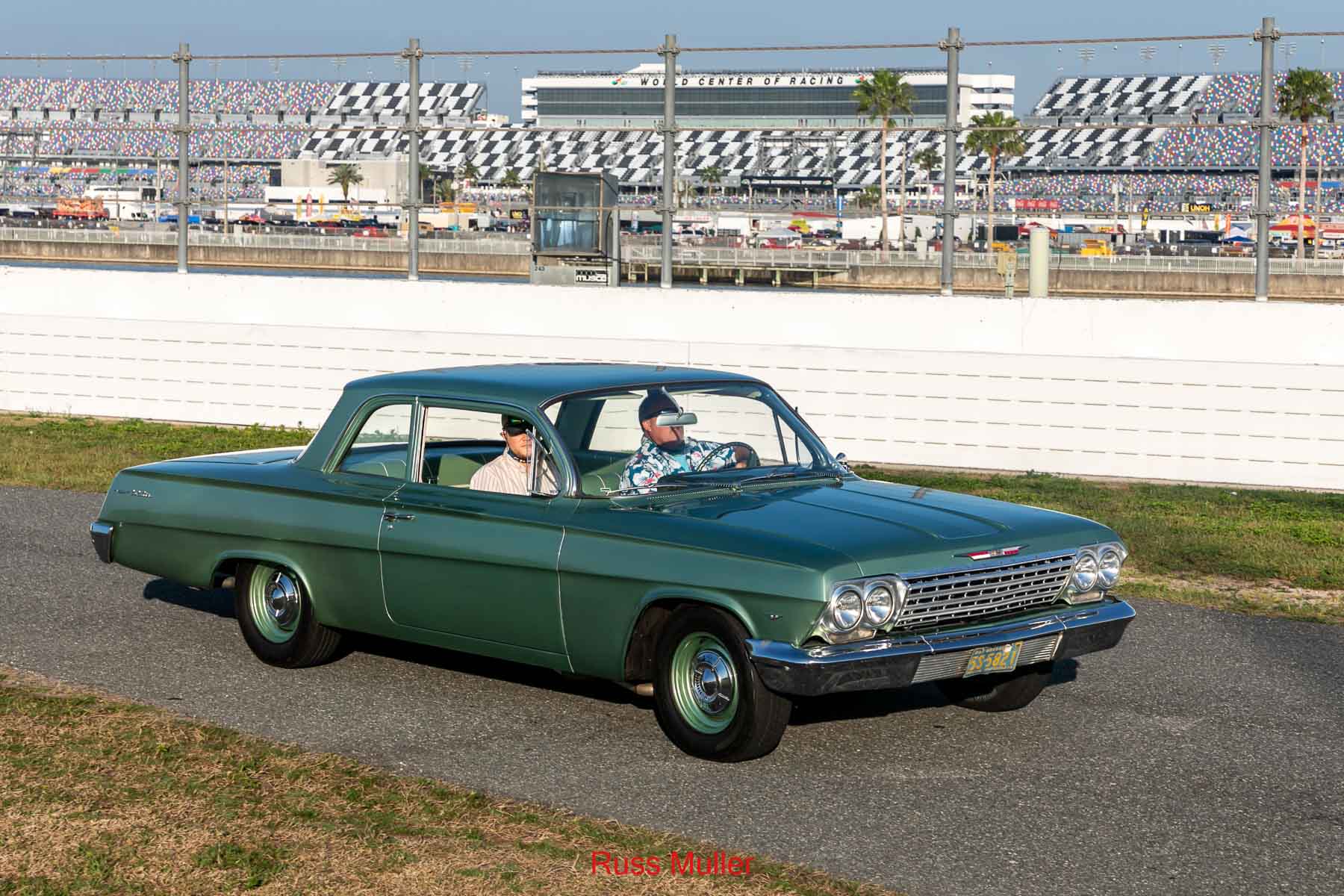
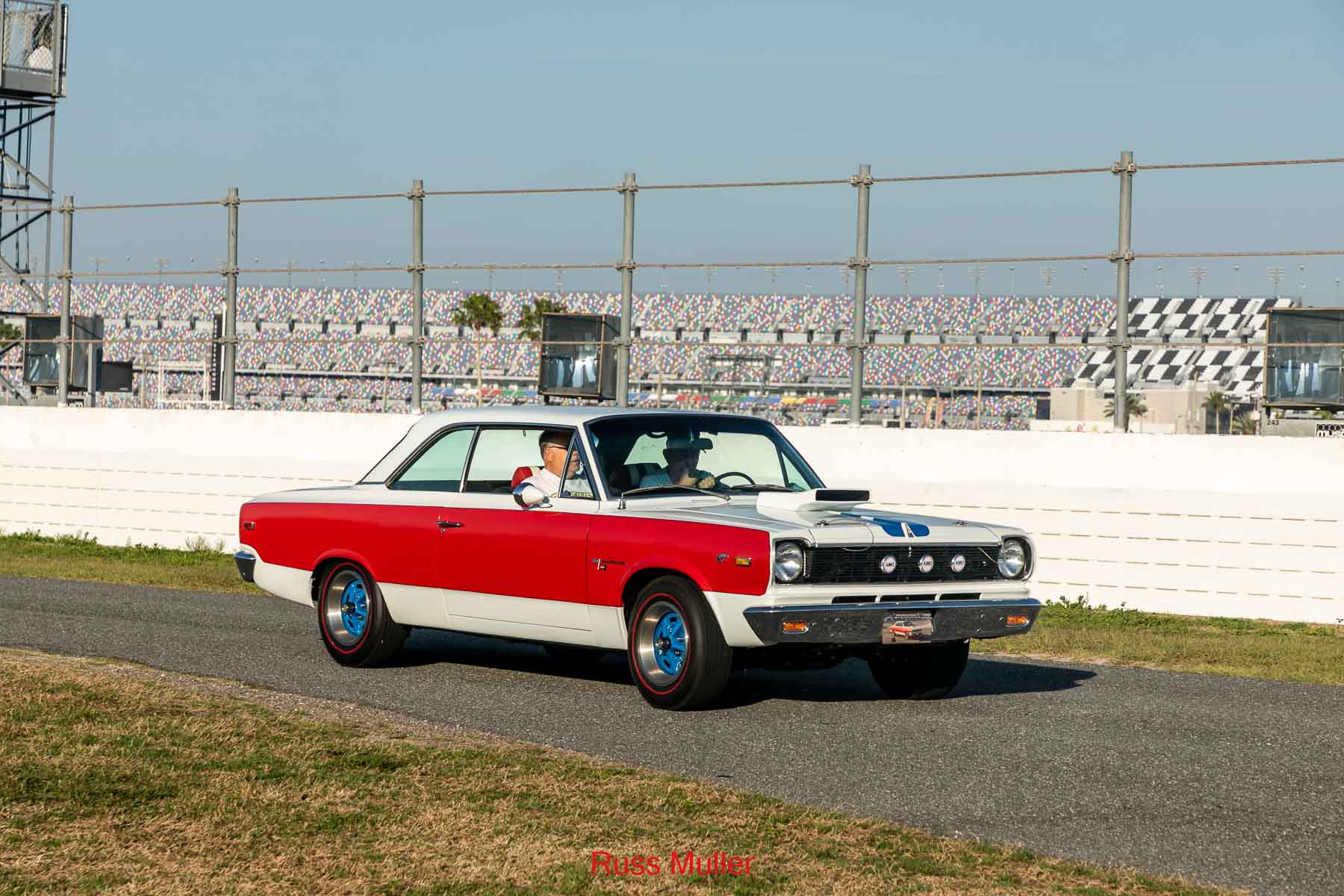
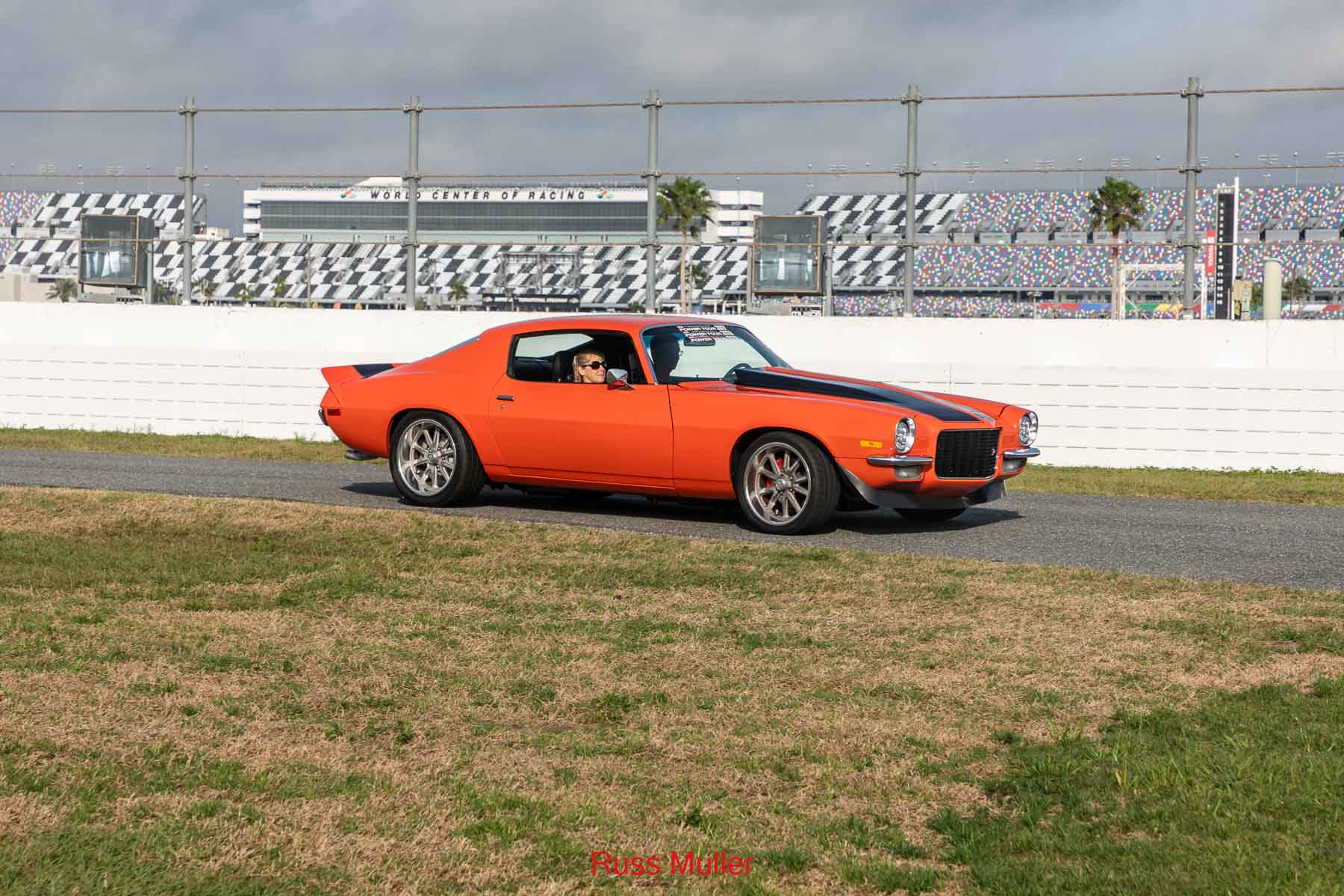
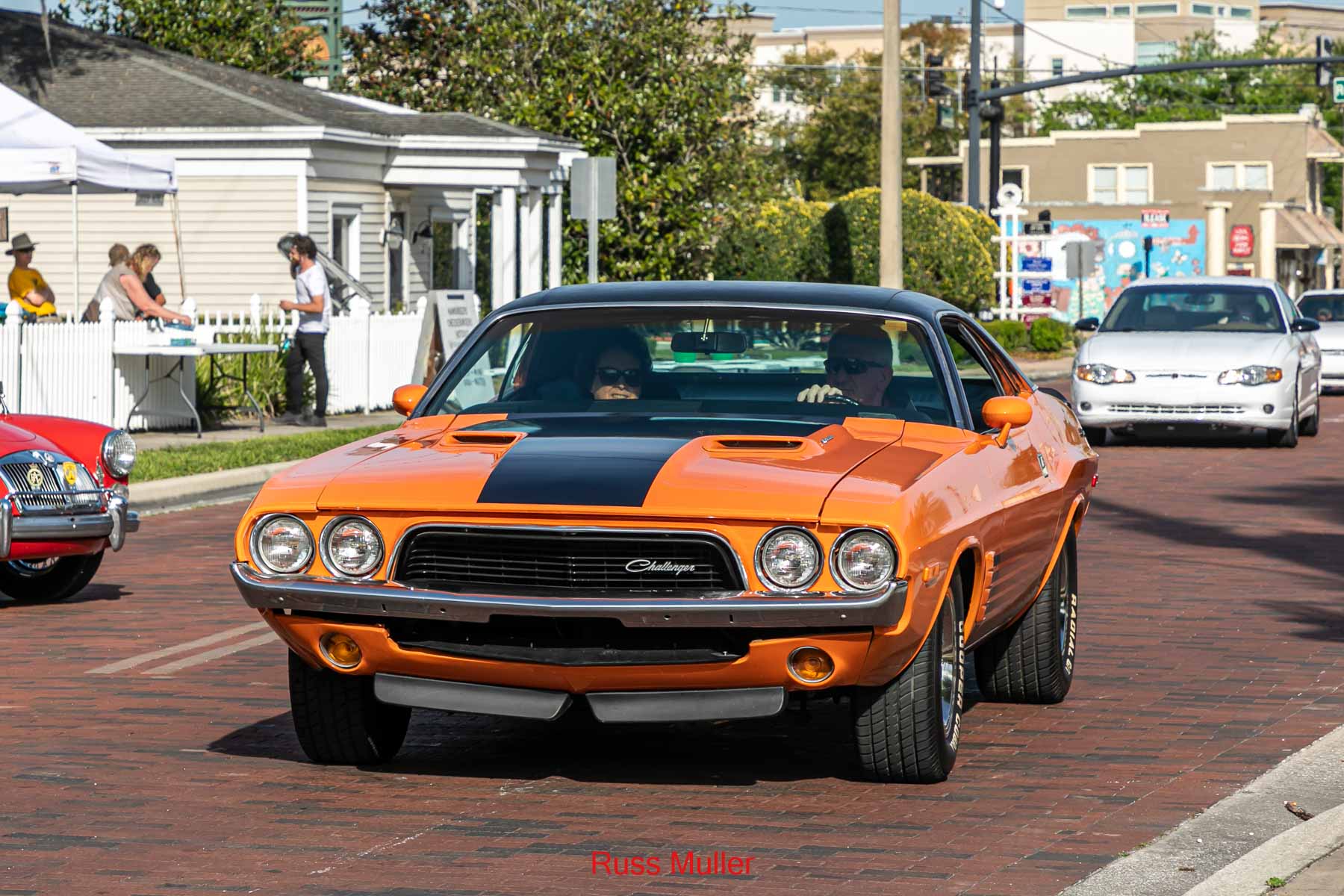
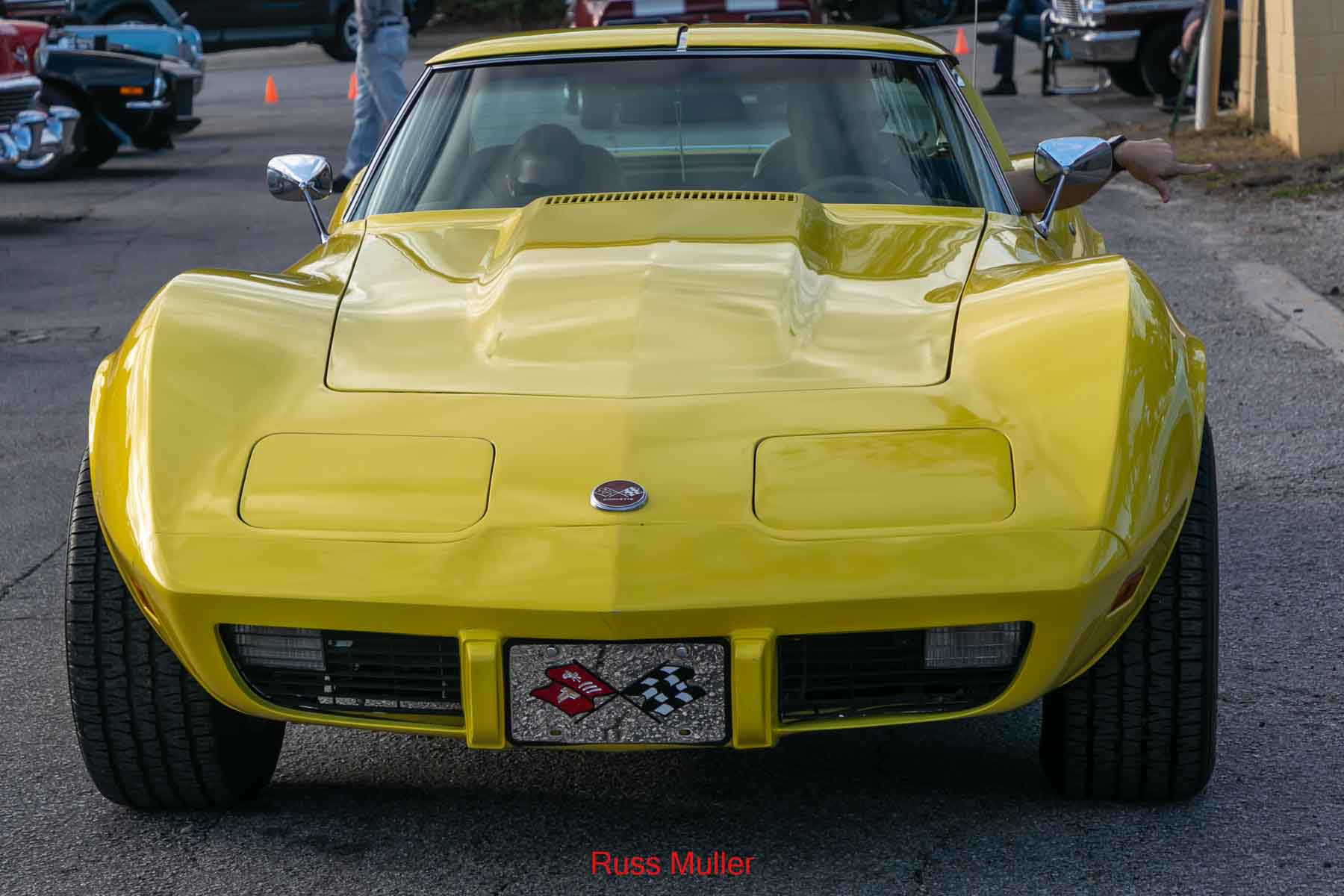
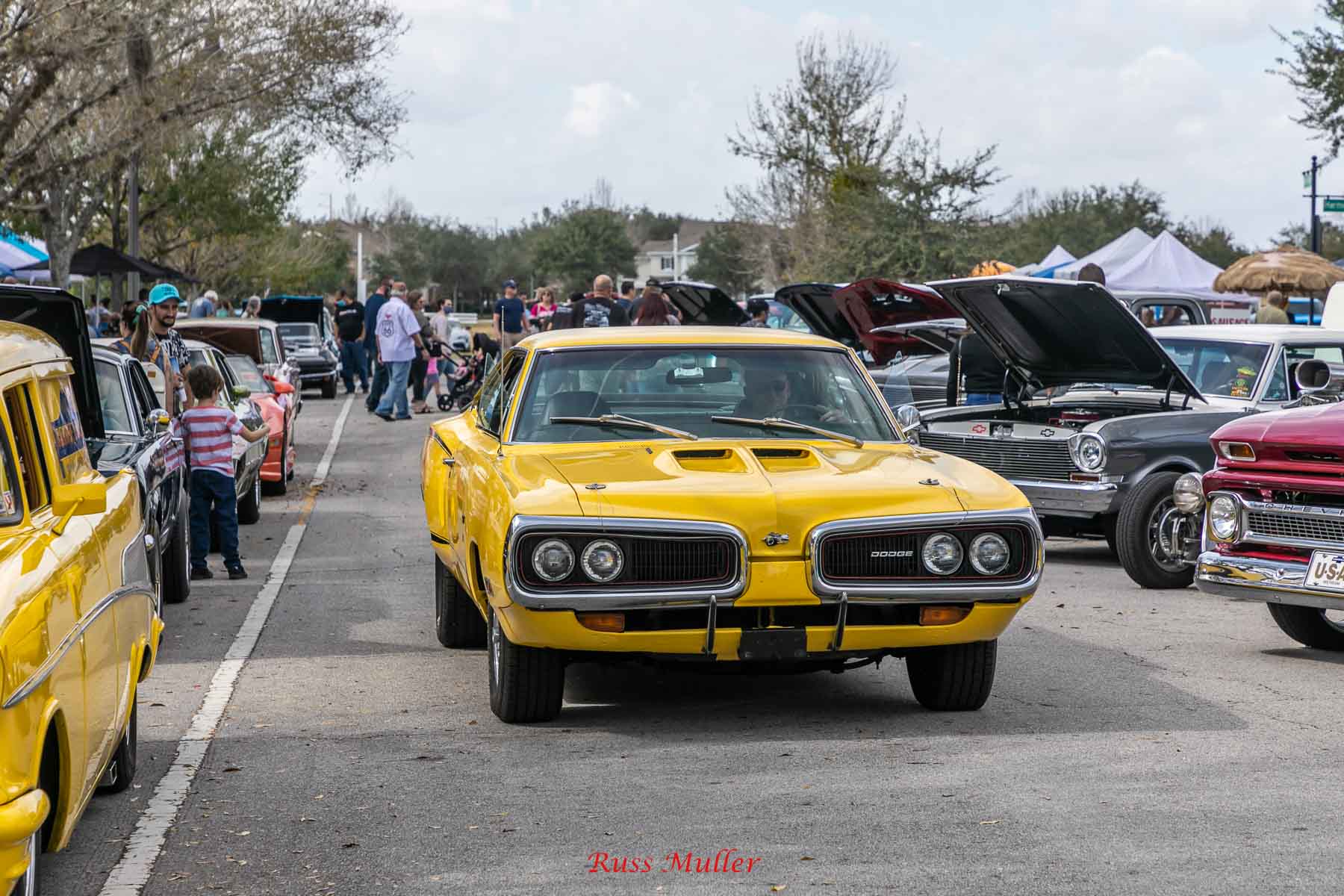
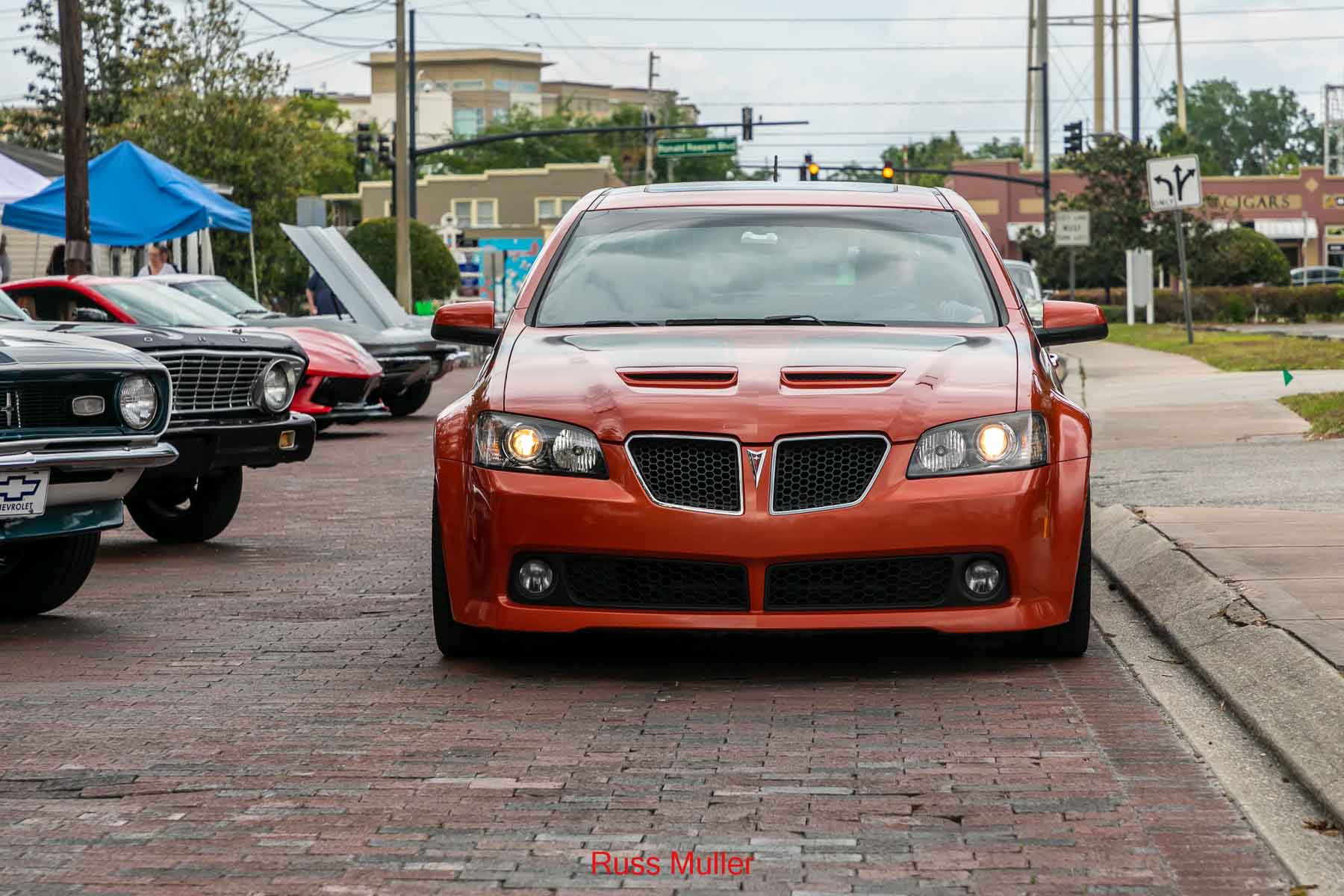
As the US went through the 1930’s and into the 1940’s, colors became more vibrant. Pigment-based colors evolved into nitrocellulose lacquers. Some colors were even offered in metallic finishes, which were created using fish scales. Two-tone paint schemes were popular as well. Automobile production stopped for a little while during World War II. When it resumed, darker, muted colors were still popular. In the 1950’s, colors were softer, with pastels and two-tone paint schemes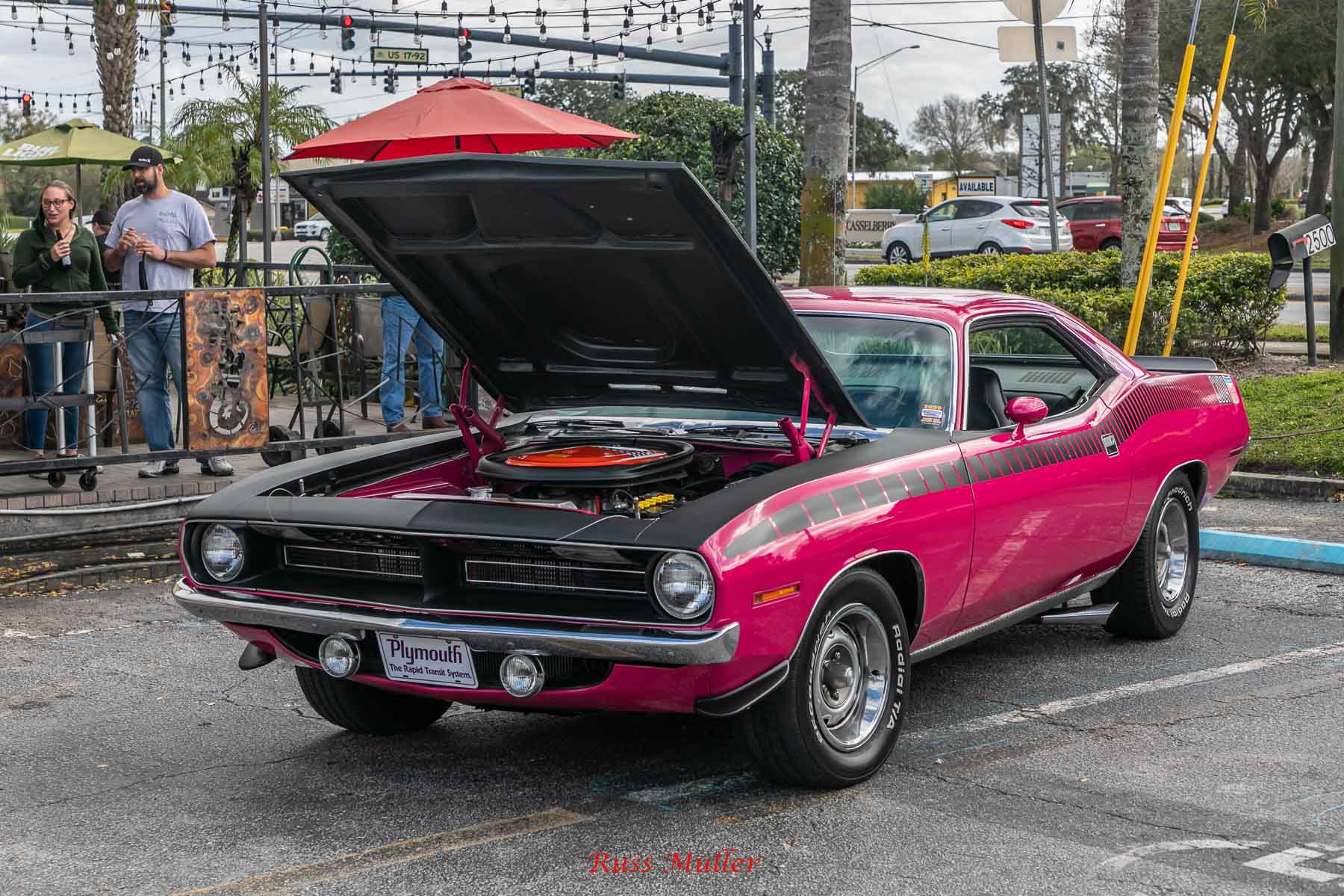 becoming popular again. When the 1960’s and 1970’s came along, colors became more vibrant. Chrysler products, in particular, had several “high impact” colors that were as loud and rowdy as the muscle cars they were applied to. Colors like Panther Pink, Curious Yellow, Limelight, and Burnt Orange Metallic were a not-so-subtle way of calling attention to a car.
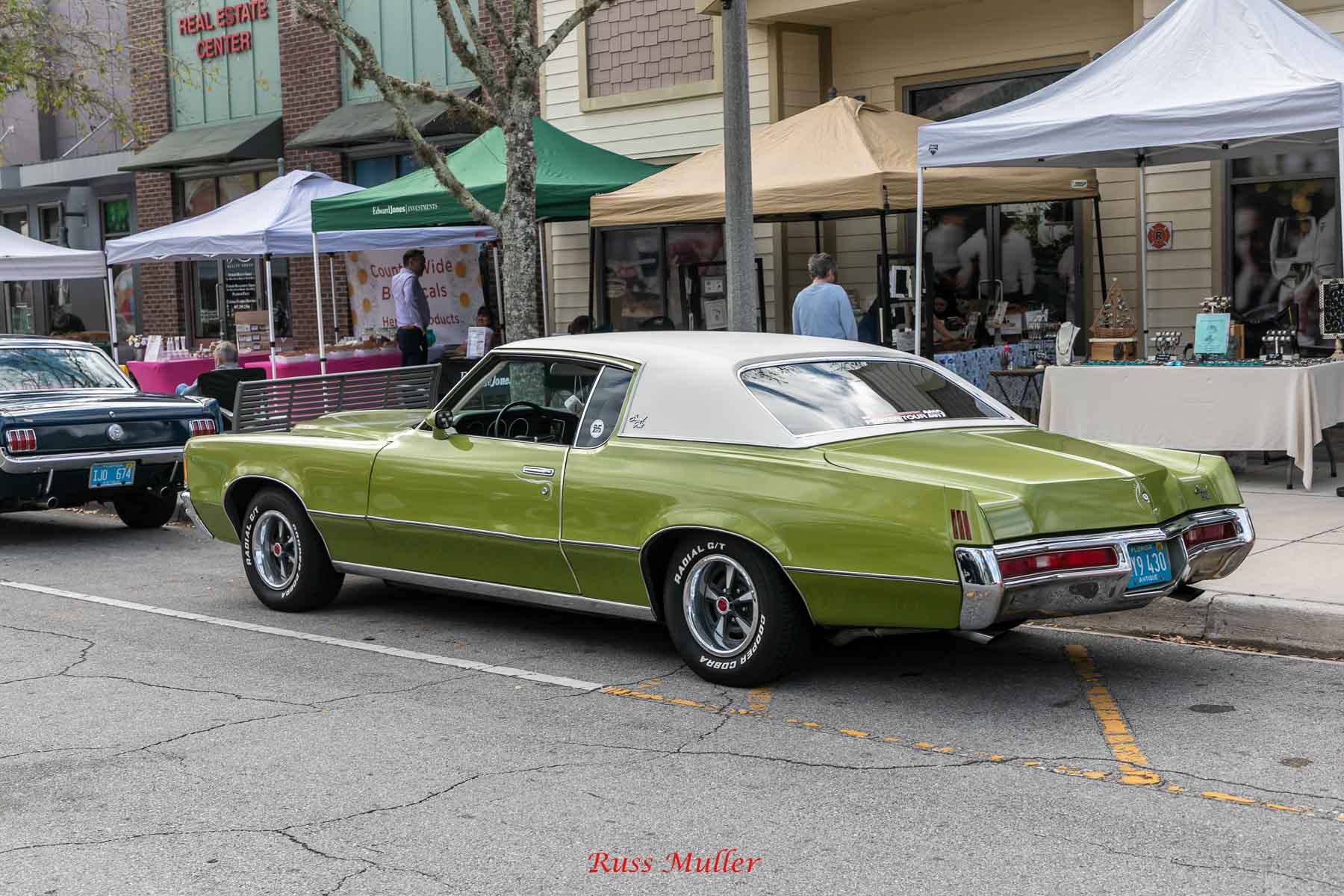
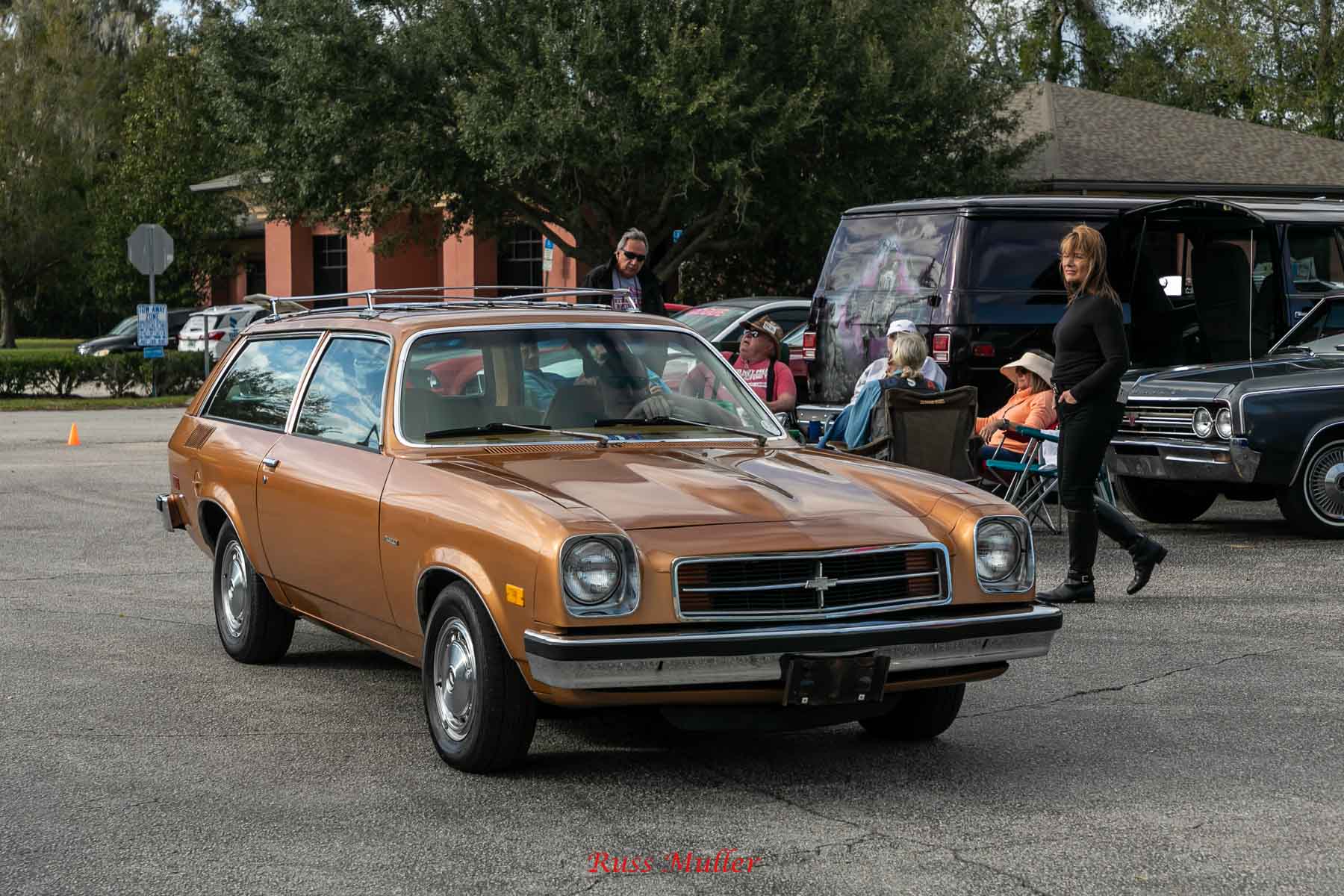
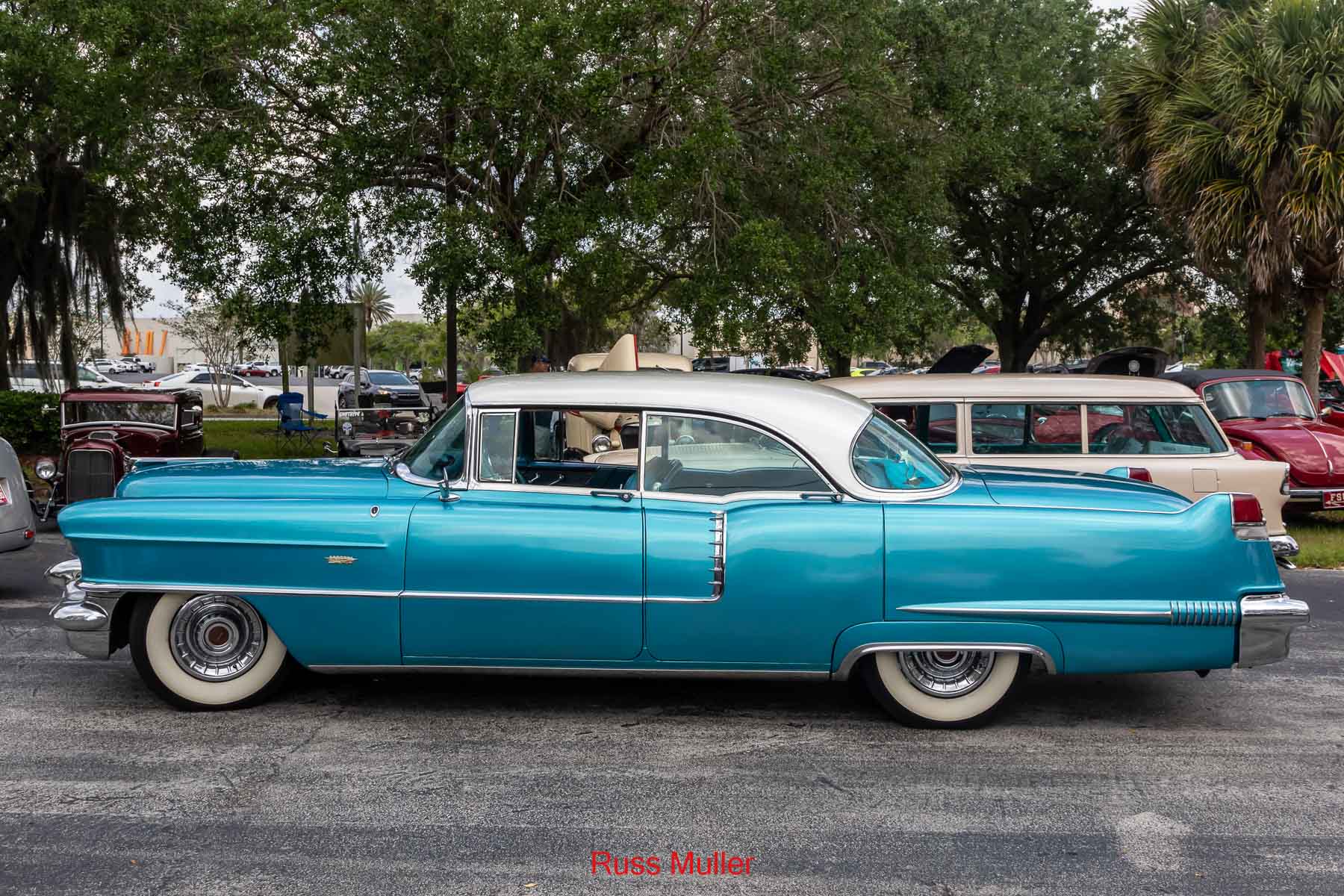 So, what happened? Where did the choices go? My 1971 Pontiac Grand Prix was ordered in Tropical Lime Poly, one of 22 color options available for that car. My 1971 Chevelle had 15 color options. The 1971 Barracuda (and ‘Cuda) had 25 color options. Even my malaise-era 1978 Thunderbird had 17 color options. The 1990s saw shades of teal and bright blue colors dominating new car sales. By the early 2000s, whites, silvers, and blacks became dominant colors. In fact, nearly 22% of all 2000 model year cars were some shade of silver. By 2010, nearly 70% of all new cars sold were either black, silver, grey or white. In 2025, that number was 81%, with blue the 5th most popular color at 9%…
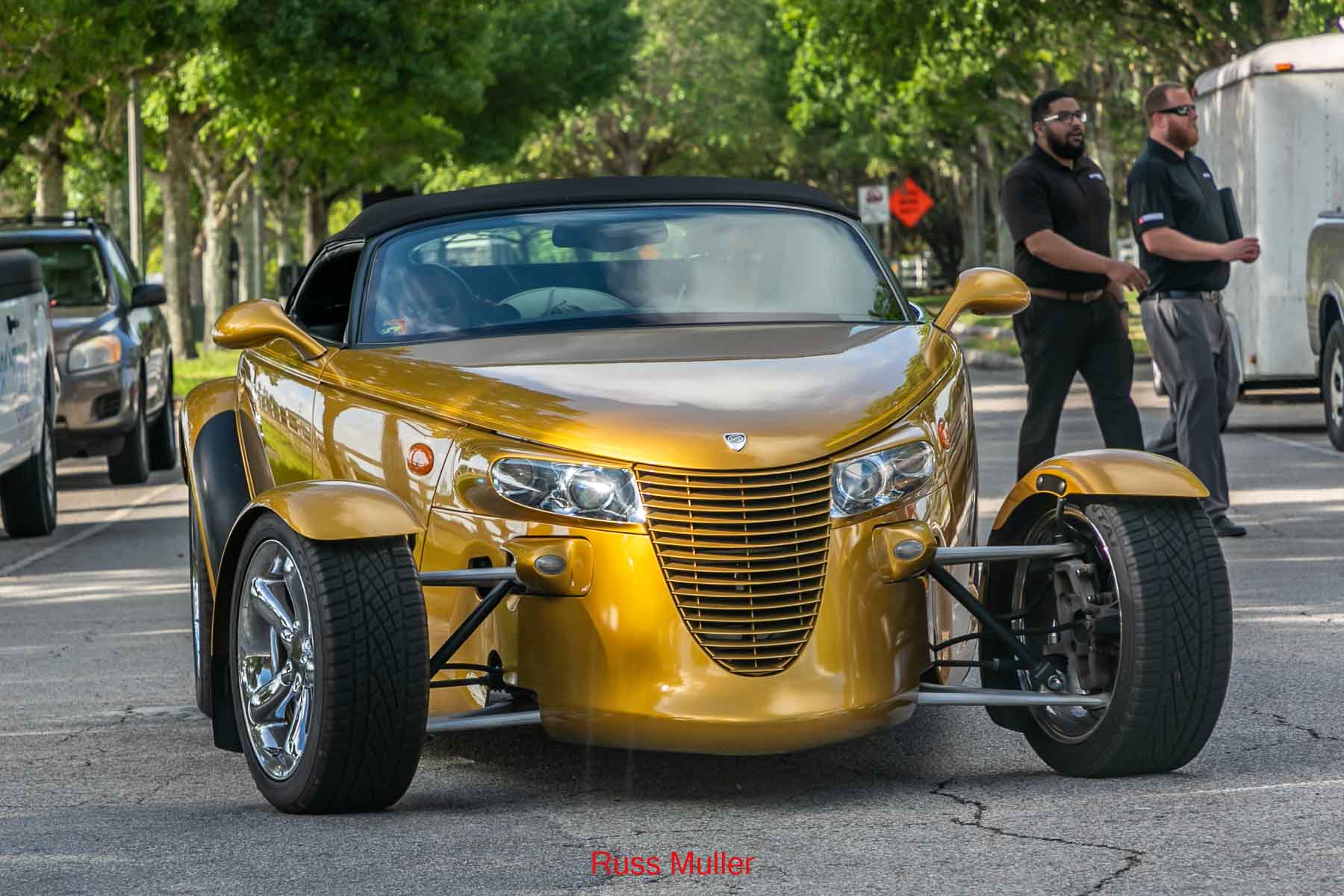
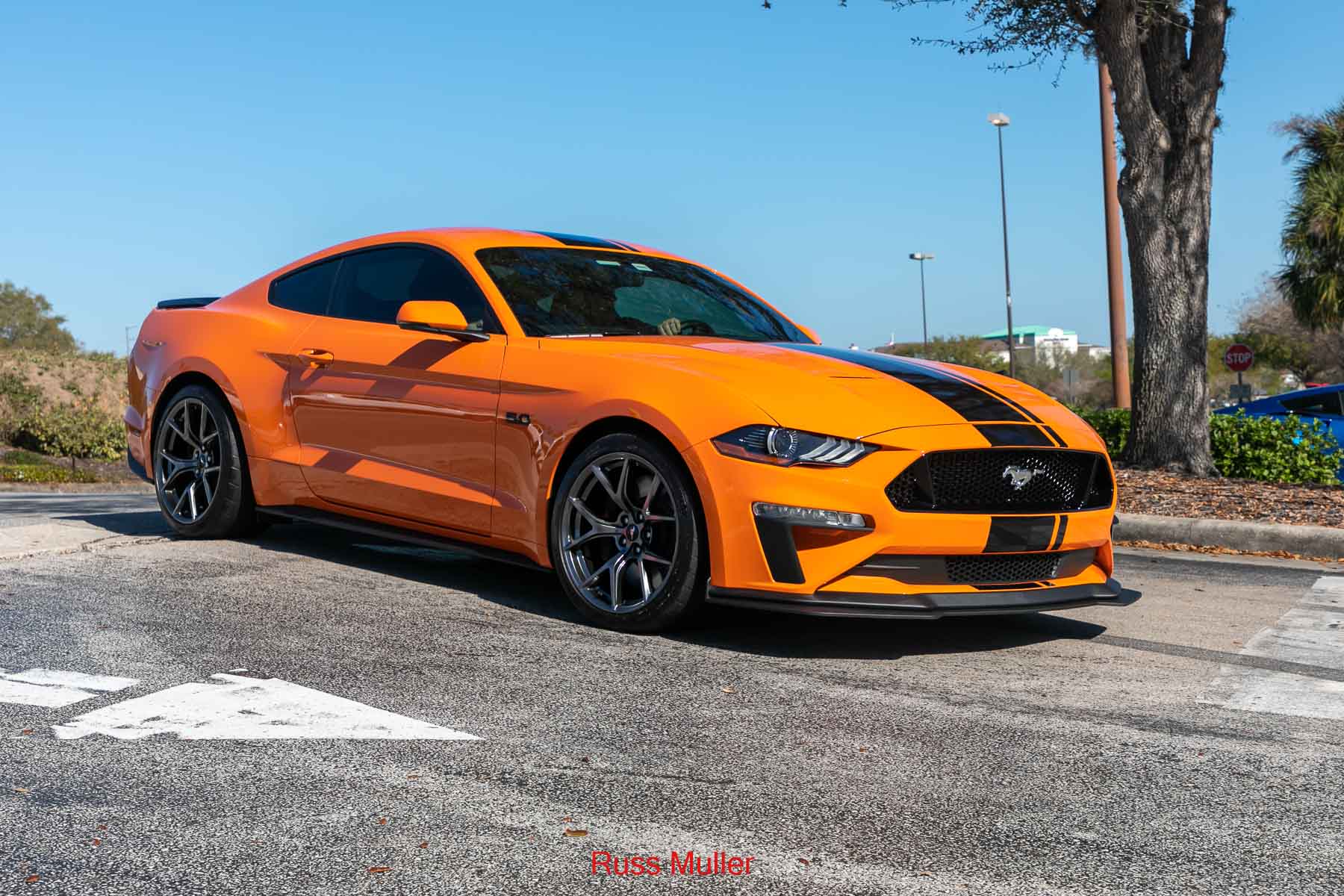 All is not lost, however, and there are small glimpses of hope in the new car color world. Mazda Soul Red is the color choice for roughly 18% of the CX-5s sold, and 21% of the CX-3s. Ford introduced Molten Magenta Metallic Tri-coat as a color for the 2025 Mustang, and Intense Yellow Lime Metallic was a special one-year color offering. Audi currently offers Kyalami Green and Python Yellow Metallic on the 2026 RS 3. The 2026 Corvette is available in Sebring Orange Tintcoat, Roswell Green Metallic, Competition Yellow Tintcoat Metallic, and Hysteria Purple Metallic.
One way to get manufacturers to offer more colors is to buy them when offered. Instead of picking a new car off the lot because it’s there, order one in an optional color. We don’t have to settle for black, silver, grey or white if we don’t want to…